Articles for author: Elite Aneesa999

October 2, 2026

Elite Aneesa999

Finsta Meaning

Finsta Meaning: Why “Fake” Is the Wrong Word

Someone texts you, “ok but follow my finsta.” No explanation, just a username. You know it has something to do with Instagram. But is it a compliment? A secret? A test? Most people nod along and quietly search it later. Let’s clear it up properly, including the grammar details that most meaning pages skip. What Does Finsta Mean? Finsta is slang for “fake Instagram”: a second, usually private Instagram account where someone posts casual, unfiltered content for a small circle of close friends. The “fake” part doesn’t mean fraudulent. It only means the account isn’t the person’s main, public-facing profile,

October 1, 2026

Elite Aneesa999

YOLO Sounds Simple Until You Use It Wrong

YOLO Meaning: What It Says, What It Hides, and How to Use It

Someone replies “yolo” to your plan, and you can’t tell if they’re cheering you on or quietly judging you. That confusion is common, because YOLO has been a sincere motto, a punchline, and an excuse, sometimes all in one week. This guide covers what it means, how the grammar works, and how to read the tone before you reply. Quick Answer YOLO stands for “you only live once.” It’s a slang expression used in texts, captions, and conversation to justify taking a bold, fun, or spontaneous risk because life is short. People say it playfully, but the tone can shift

October 1, 2026

Elite Aneesa999

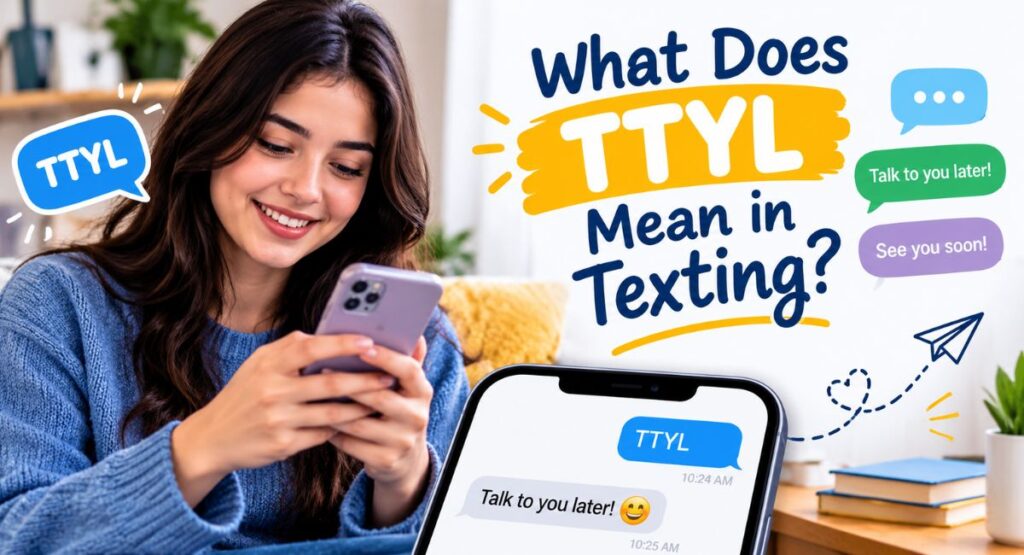
What Does TTYL Mean in Texting?

TTYL Meaning: What It Says (and What It Doesn’t)

You’ve probably typed it a hundred times without thinking. But someone sends you “ttyl,” and suddenly you’re wondering: is this a warm goodbye, a polite brush-off, or a promise? The answer depends less on the letters and more on the context around them. Let’s break it down. Quick Answer TTYL stands for “talk to you later.” It’s an informal closing used in texts, chats, and social media to end a conversation with the expectation that you’ll speak again. It doesn’t promise a specific time, which is why its tone can change with context. What Does TTYL Mean in Texting? TTYL

September 30, 2026

Elite Aneesa999

Well Deserve or Well Deserved?

Well Deserve or Well Deserved? The Rule Behind the Choice

You’re about to comment on a friend’s promotion post. You type “Congrats, well deserve!” and then stop. Something looks off, but which letter is missing? The fix is one letter, but the reason behind it is what keeps you from making the same mistake next time. And there is a surprise: “well deserve” is not always wrong. Well Deserve or Well Deserved? Well deserved is the correct form in most sentences: “deserved” is a past participle used as an adjective, as in “a well-deserved break” or “the win was well deserved.” “Well deserve” is only correct as a rare, formal

September 30, 2026

Elite Aneesa999

FW IN TEXT

FW Meaning in Text: The Two Letters That Can Be a Compliment or a Warning

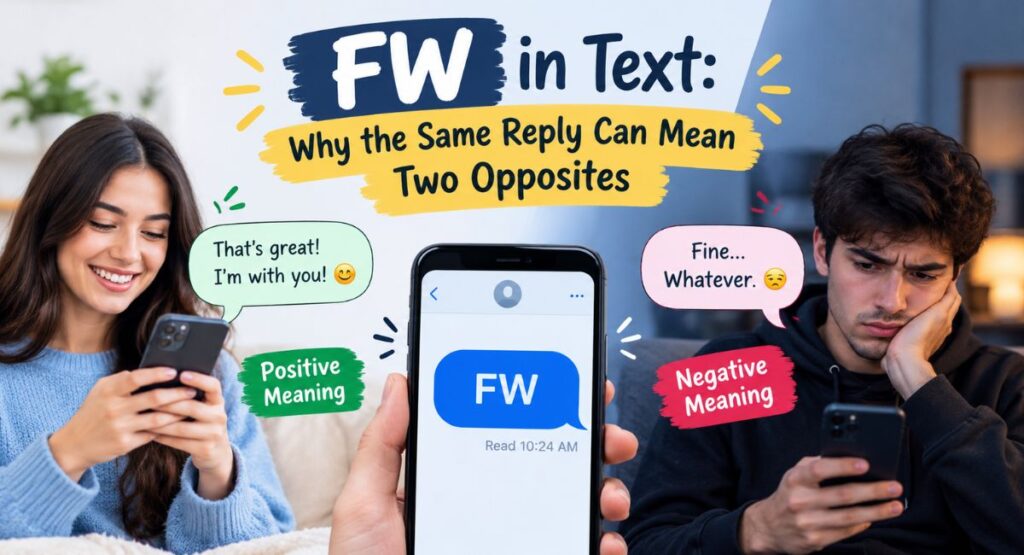
FW IN TEXT: Someone sends you: “I fw you.” Is that a compliment, a flirt, or a threat? Now imagine the same two letters in your inbox: “FW: Invoice March.” Nobody is flirting there. That is the problem with FW. It is short, it is everywhere, and it changes meaning depending on punctuation, capitalization, and what comes after it. Let’s sort it out. What Does FW Mean? In texting and social media, FW usually means “f*** with,” used to say you like, support, trust or get along with someone or something. In email, FW means “forward.” Context and punctuation decide

September 28, 2026

Elite Aneesa999

GNG Has No Full Form. So What Does It Mean?

GNG in Chat: The Meaning Most People Get Wrong

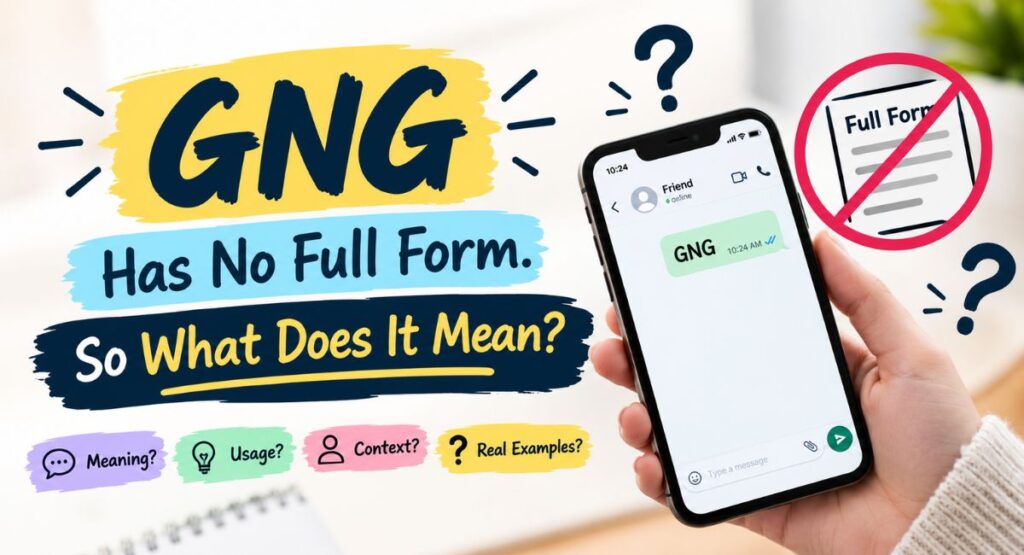
Someone sends “wsg gng” in a group chat. Another person writes “gng to sleep, ttyl.” Same three letters, but they clearly aren’t doing the same job. If you’ve searched for the “GNG full form,” you probably expected a neat three-word answer. Here’s the twist: that expectation is exactly why so many people misread it. Let’s fix that. Quick Answer: What Does GNG Mean? GNG has no single full form because it isn’t a true acronym. In modern texting it most often means either “gang” (a friend or close circle) or “going” (a fast-typed verb). Tone, position in the sentence, and

September 27, 2026

Elite Aneesa999

MF

“MF” Isn’t an Insult Half the Time — Here’s the Tell

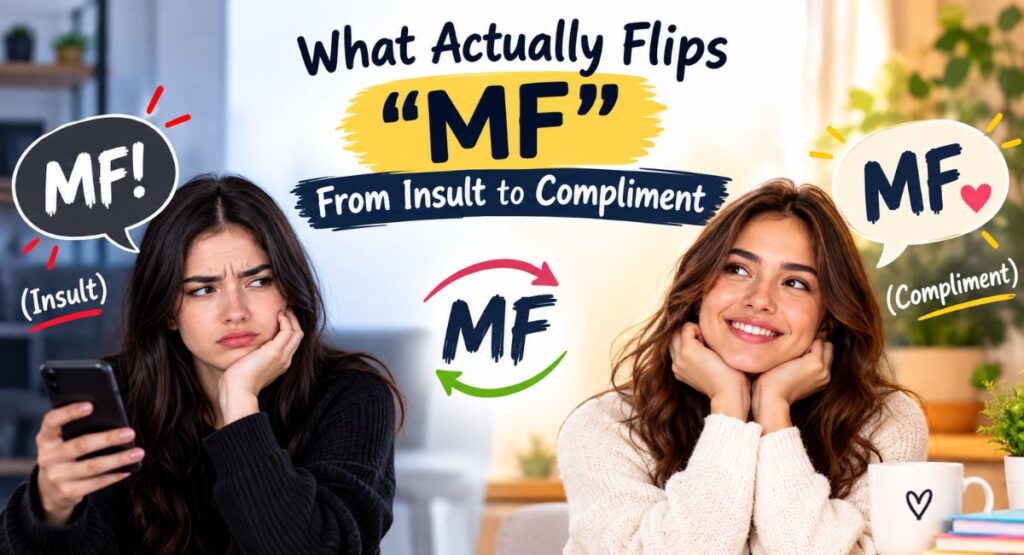
Two texts: “that MF cut me off” and “you smart MF.” Same abbreviation, opposite tone — one is anger, the other is a compliment. Most guides tell you MF “can mean different things depending on context” and stop there. The actual rule is narrower and far more useful: it’s almost always the single word sitting directly in front of “MF” that decides whether it’s an insult or a compliment. MF is a censored abbreviation for “motherf***er,” an informal slang term used across texting, gaming, and social media. Its tone isn’t fixed — it’s set by the adjective or context right

September 25, 2026

Elite Aneesa999

IMK Mean

IMK Isn’t “I’m Kidding” — Here’s the Real Confusion

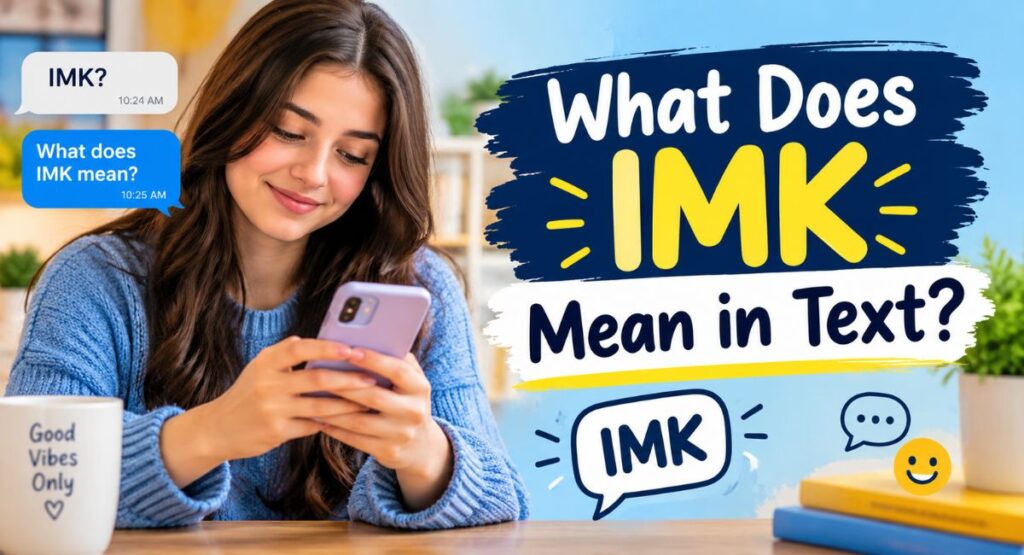
IMK Mean : If a text just landed with “imk” at the start, lowercase, no punctuation, it probably means something quiet: as far as I know. If it lands as “IMK!!” with caps and an exclamation mark, the tone shifts — it can read like mock seriousness, closer to I’m kidding. Same three letters. Different grammar. Different message. IMK most commonly stands for “In My Knowledge” (used the way people say “as far as I know”), though in fast, caps-heavy or joking exchanges it’s sometimes read as a shorthand nod to “I’m kidding.” The version someone means almost always comes

September 22, 2026

Elite Aneesa999

"Evb Are Coming" Is a Mistake Almost Everyone Makes

“Evb Are Coming” Is a Mistake Almost Everyone Makes

“Evb” is text and chat shorthand for “everybody” — used to address or refer to everyone in a group, chat, or audience. It’s informal and appears mostly in messaging apps and social captions. The catch: because “everybody” is grammatically singular, “evb” should pair with singular verbs (“evb is,” “evb knows”), even though most people instinctively write it like a plural. You’ve probably typed “evb” a hundred times without thinking twice about it. It saves keystrokes, everyone in the group chat understands it instantly, and it feels harmless. But there’s a small grammar habit hiding inside this abbreviation that even confident

September 22, 2026

Elite Aneesa999

combatting or combating

One Letter Quietly Gives Away Where You Learned English

Combatting or Combating? “Combating” and “combatting” both mean fighting against something, and both are grammatically valid. The difference is regional: American English uses combating (one T), while British and Commonwealth English commonly use combatting (double T), because the two dialects apply the consonant-doubling rule differently. If you’ve ever typed this word, deleted it, and typed it again because your screen suddenly underlined it in red, you already know the frustration. Spellcheck tools flip-flop on this one more than almost any other verb form in English — and that’s not a bug, it’s a sign that two different rulebooks are quietly