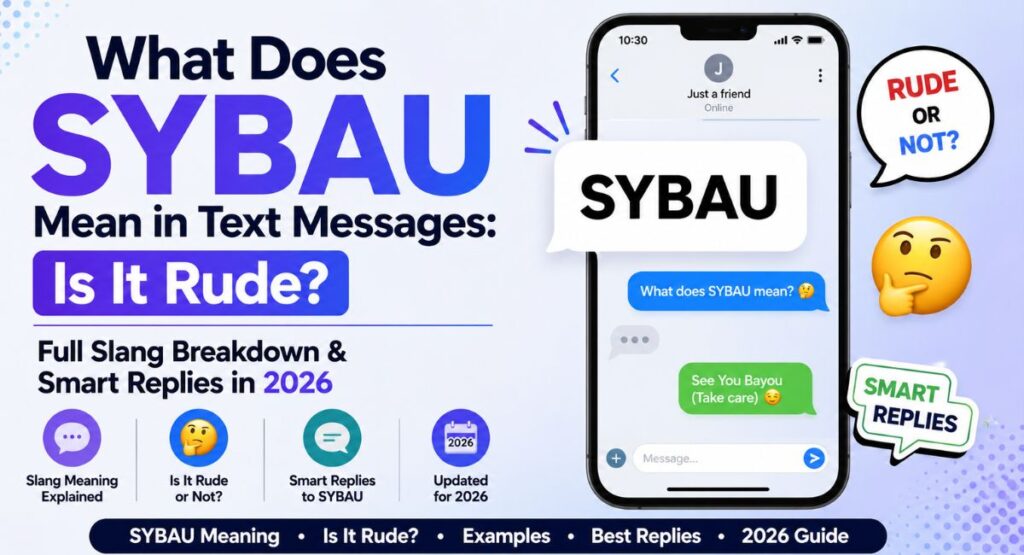
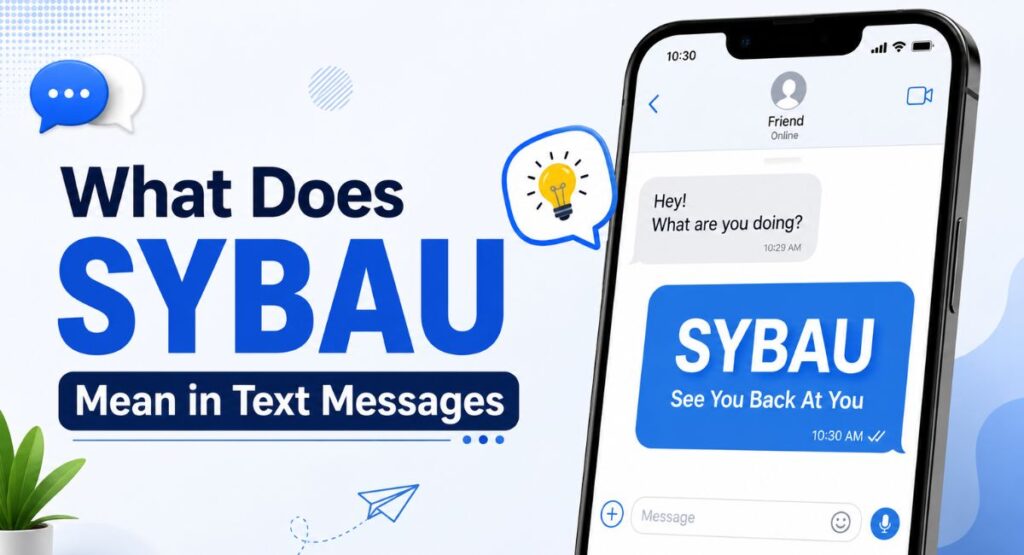
What Does SYBAU Mean in Text Messages : Navigating the fast-paced world of modern texting abbreviations can feel overwhelming when unfamiliar shorthand suddenly pops up in your chat threads. If you have recently spotted the acronym SYBAU on your screen, you are likely wondering about the true intent behind this viral term. This phrase represents one of the most rude confrontational phrases used in digital spaces today to abruptly silence another person.
Understanding the primary meaning of SYBAU is essential for maintaining proper communication etiquette and avoiding toxic online drama. This intro offers a clear text messages slang breakdown so you can confidently decode exactly what the sender means before typing your reply.
What Is SYBAU? (Primary Meaning)
The primary meaning of SYBAU stands for “Shut Yo B*tch A Up” in modern digital spaces. This highly aggressive phrase serves as a direct verbal silencer when someone wants to cut off an annoying speaker instantly. Teenagers and young adults frequently drop this acronym into their daily text messages to show intense irritation.
Understanding what does SYBAU stand for helps you decode fast-moving online drama before you accidentally misinterpret the sender’s energy. It is much more volatile than your standard everyday mainstream abbreviations like LOL or BRB. Most people consider it a toxic addition to internet culture because it immediately kills any chance of polite conversation.
Chat Examples
Analyzing a text messages slang breakdown shows how this acronym functions in live chat scenarios. Senders wrap the slang in short, sharp bursts of text to maximize the emotional sting. We see this dynamic play out daily in aggressive group chats and chaotic comment feeds across the web.
Here are two real chat-style examples that show the phrase in action:
Example 1 (Casual Friction):
User A: You are literally always complaining about the game rules.
User B: Man SYBAU and just keep playing.
Example 2 (Direct Defensiveness):
User A: You didn’t even study for this final exam.
User B: SYBAU, I stayed up until midnight reviewing my notes.
Why This Meaning? Tone & Emotion
The emotional driver behind this term heavily involves raw anger and defensive replies during stressful interactions. Senders choose these rude confrontational phrases to assert dominance and humiliate the other person publicly. It shows that the speaker has completely run out of patience for the ongoing discussion.
Sometimes close friends use the acronym as a form of extreme harsh humor during deep gaming sessions. However, the line between friendly teasing and genuine cyberbullying remains incredibly thin here. If you do not know the sender well, you should assume the phrase carries real hostility and venom.
Other Meanings of SYBAU (Context Matters)
While the main definition remains highly offensive, niche internet subcultures have created completely different alternate interpretations of slang. These secondary contexts strip away the original profanity to fit specific professional or academic settings perfectly.
Looking at these safer options helps you realize why analyzing the broader environment is a crucial part of communication etiquette. A tech enthusiast or a college student will mean something completely different from an angry internet troll. Let us break down these fascinating alternative meanings in detail below.
“Sorry, You Broke Another Update” (Tech/IT sarcasm)
Software engineers and developers use this specific variation as a playful inside joke during stressful coding cycles. When a new software deployment accidentally crashes a live server, colleagues type the acronym into their private project channels. It transforms an otherwise hostile term into lighthearted workplace sarcasm.
You will mostly spot this version inside a tech-focused workplace Teams chat or a developer repository on GitHub. It lets the team blow off steam without creating real personal animosity among developers. It proves that even the most aggressive internet acronyms can find a peaceful home in the tech world.
“See You Back At University” (Student slang)
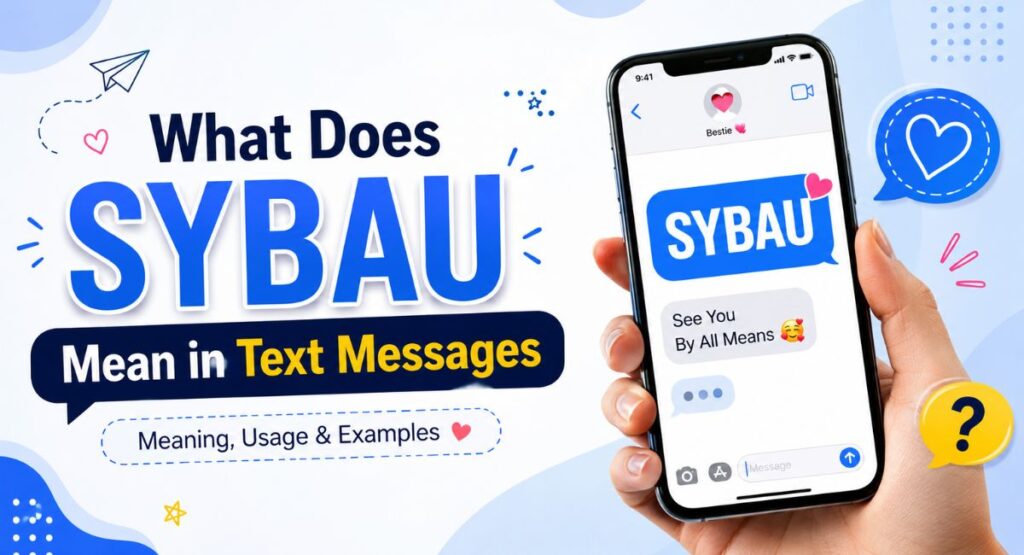
American college students use this cleaner version as a warm parting phrase before major academic breaks. When leaving campus for summer vacation or winter holidays, classmates text this abbreviation to stay connected. It serves as a fond reminder that they will reunite on campus next semester.
This specific phrasing frequently pops up in group chats on Instagram and WhatsApp as finals week wraps up. It carries a deeply nostalgic and friendly energy that is completely free from any hidden malicious intent. It is a wholesome twist on a dangerous phrase.
“Save Your Breath And Understand”
This rare interpretation appears during long, emotionally exhausting text message essays between romantic partners or close family members. When an argument goes on for hours, someone might use this acronym to signal that they are tired of listening to empty excuses. It asks the listener to stop talking and start reflecting.
This version acts as a serious plea for mutual understanding rather than a toxic attempt to insult someone’s character. It attempts to slow down heated digital arguments before the relationship suffers permanent, long-term damage. It emphasizes deep listening over endless talking.
“SYB AU” (Separated initials: ‘Support Your Business – Australia’)
This unique geographical variation belongs entirely to international commercial ventures and local trade groups. Small retail shops across Australia use this acronym as a hashtag to promote regional economic growth and community shopping. The space between the letters completely changes the linguistic meaning.
American consumers often get confused when they spot this tag while browsing global e-commerce / business groups. It has absolutely zero relationship to American street slang or toxic internet comment wars. It is purely a marketing tool used to boost local business sales down under.
Context Determines Everything
You must analyze the surrounding conversation deeply before deciding is SYBAU rude or offensive in a specific situation. Reading the sender’s past behavior and overall tone helps you avoid overreacting to a harmless mistake. Misunderstanding the context can turn a simple joke into a massive social disaster.
A great way to protect yourself is to look closely at the digital platform where the message arrived. An acronym sent by a classmate requires a totally different response than one sent by a business professional. The platform usually tells you everything you need to know about the intent.
When to Use It & When to Avoid It
Using this volatile slang abbreviation requires an immense amount of social caution and situational awareness. It acts like a digital match that can easily set an entire conversation on fire if you drop it carelessly. You must establish strict personal boundaries for when to type it out.
Knowing the dividing line keeps your digital reputation clean while allowing you to enjoy casual internet humor safely. Let us take a close look at the specific scenarios where this acronym belongs and where it definitely does not.
Use SYBAU only when:
You should only deploy this intense acronym when you are engaging in high-trust playful banter between friends. Your social circle must already be completely comfortable with raw, unfiltered roasting before you send this message. It can also serve as a strict shield against persistent online bullies.
Some users rely on it to quote popular online meme soundbites that everyone in the chat room already recognizes. In these highly specific situations, the phrase loses its toxic sting and becomes a shared joke. Safety always depends on the strength of your relationship.
Avoid SYBAU when:
You must completely ban this acronym when you are messaging older family members or professional colleagues. Sending an unprofessional and offensive phrase to your boss will lead to immediate disciplinary action or termination. It destroys professional trust in a single second.
Never use this slang when you are actively trying to settle a serious real-life conflict with a partner. Dropping a hostile bomb like this will only escalate conflict and make the other person feel deeply unsafe. Mature discussions require clean, respectful language.
Usage Table
This comprehensive usage table maps out the risk levels of using this slang across various digital spaces. Reviewing these zones helps you maintain proper boundaries online.
| Digital Environment | Risk Level | Social Consequences |
| Slack / Teams | Extreme | Immediate HR issues and professional suspension |
| Facebook Marketplace | High | Getting blocked by users and banned from selling |
| TikTok comments | Medium | Triggers massive toxic social media comment wars |
| Private Friend Group | Low | Accepted as internal harsh humor and roasting |
4 Usage Tips
Managing your digital footprint in 2026 requires smart strategies when interacting with volatile internet terms. Following basic safety tips ensures you never cross the line into cyberbullying.
- Know Your Audience: Never send intense slang to anyone who prefers polite, traditional communication.
- Read the Platform: Keep your casual street phrases completely separated from your professional networks like Slack / Teams.
- Analyze the Vibe: Double-check if the current conversation is lighthearted or genuinely angry before replying.
- Keep a Backup Plan: Prepare a fast apology if your joke lands poorly and hurts a friend’s feelings.
Real Conversation Examples
Examining realistic dialogues helps you see how this phrase functions across different everyday scenarios. These scripts highlight the stark contrast between a playful joke and a toxic digital attack.
1. Friends Roasting
Two close buddies are arguing fiercely over sports statistics inside a private text thread:
Friend A: Your favorite basketball team hasn’t won a championship game since the nineties, bro.
Friend B: Man SYBAU because we are easily taking the trophy home this year!
2. TikTok Comment Section
An internet troll leaves an unsolicited, nasty critique under a young creator’s viral dance video:
Troll Account: This entire dance routine is completely unoriginal and boring to watch.
Loyal Fan: SYBAU and go find something positive to do with your empty afternoon.
3. Sibling Argument
A brother and sister are fighting via text messages over a missing phone charger left in the kitchen:
Sister: You always steal my electronic accessories without asking me first!
Brother: SYBAU because the charger is literally sitting on your bedroom desk right now.
4. Gaming Chat
Two highly competitive players are fighting over a tactical mistake during an intense online multiplayer match:
Teammate A: You are completely throwing this entire match for our team right now!
Teammate B: SYBAU and just focus on guarding your own side of the map!
5. Marketplace Debates
A cheap buyer tries to drastically lowball a seller on a vintage item listed on Facebook Marketplace:
Buyer: I will give you five dollars cash for that hundred-dollar vintage leather jacket.
Seller: Seriously SYBAU with that ridiculous offer and do not message my shop again.
2 Related Slang
There are several related slang terms that carry a similar level of emotional hostility in text messages. Understanding these alternatives helps you navigate the wider landscape of internet insults safely.
- STFU: This stands for “Shut The F*** Up” and represents one of the oldest aggressive phrases on the internet.
- GTFO: Meaning “Get The F*** Out,” users type this to banish someone from a chat room.
- FOH: This short abbreviation means “F*** Outta Here” and acts as a swift dismissive insult online.
- SMD: A highly vulgar insult used strictly during the most intense and explosive online fights imaginable.
Platform Differences
Every social media app maintains its own unique culture, user base, and automated moderation rules. A phrase that thrives on one platform might get your account permanently banned on another.
Instagram & WhatsApp
On these networks, the slang mostly appears inside private friend groups or spicy meme threads. Because these spaces are semi-private, users feel more comfortable trading heavy insults without fear of public judgment. However, overusing it can still cause deep fractures in your real-life friendships.
TikTok
The chaotic nature of TikTok comments makes this app the absolute epicenter for modern slang terms. Users constantly deploy the acronym to win quick arguments and score likes from random strangers. It perfectly matches the fast, aggressive energy of viral internet culture.
Facebook / Marketplace
Using harsh slang during local peer-to-peer sales is a terrible idea that destroys your consumer credibility. Buyers and sellers will immediately report your account for harassment if you insult them during a negotiation. Keep your business interactions completely clean and professional.
E-commerce / Business
Corporate retail brands and professional online stores must avoid this abbreviation at all human costs. Sending a vulgar acronym to a paying customer will permanently ruin your brand’s reputation and sink your sales. Professional communication always requires polite, helpful language.
Workplace Chat (Slack / Teams)
Corporate monitoring software handles toxic language with zero tolerance in the modern business world. Typing this acronym on a work computer will trigger immediate automated alerts for human resource managers. It can easily cost you your job and ruin your career path.
1. Is SYBAU always insulting?
This long-form guide confirms that the acronym carries an offensive meaning in ninety percent of daily interactions. Unless you are sharing a deeply understood inside joke with a best friend, it functions as a weapon. You should generally treat it as a hostile insult.
2. Can SYBAU be used jokingly?
Yes, you can absolutely use it as a form of ironclad harsh humor within your trusted inner circle. Close friends often trade vulgar phrases to show affection or mimic popular online memes together safely. Just ensure everyone in the chat understands the joke completely.
3. Does SYBAU mean “shut your mouth”?
It is significantly more intense, vulgar, and aggressive than simply telling someone to be quiet. The inclusion of profanity upgrades the phrase from a rude request to a direct personal attack. It is designed to wound the listener’s pride.
4. Is SYBAU safe to use on social media?
It is highly risky because automated moderation algorithms frequently flag the underlying profanity as abusive behavior. Using it too often can cause platforms to shadowban your profile or suspend your account entirely. It is safer to express your frustration using cleaner terms.
5. What’s the clean version of SYBAU?
The best STFU clean version includes polite phrases like “please be quiet,” “stop talking,” or “let us change the subject.” If you want to use a smart replies option that preserves the peace, try sending a funny meme instead. De-escalation is always the mature choice.
What Does SYBAU Mean in Text Messages : Conclusion
This article serves as your ultimate long-form guide to understanding this volatile piece of 2026 internet culture. While the acronym works well for quick internet clapbacks, its aggressive nature makes it highly dangerous for everyday use. You must always think twice before hitting the send button on slang.
Protecting your digital footprint means practicing excellent communication etiquette across all of your personal and professional networks. Keep your language clean around family, coworkers, and clients to ensure your relationships stay strong. Choose your words carefully and keep your digital conversations positive!